
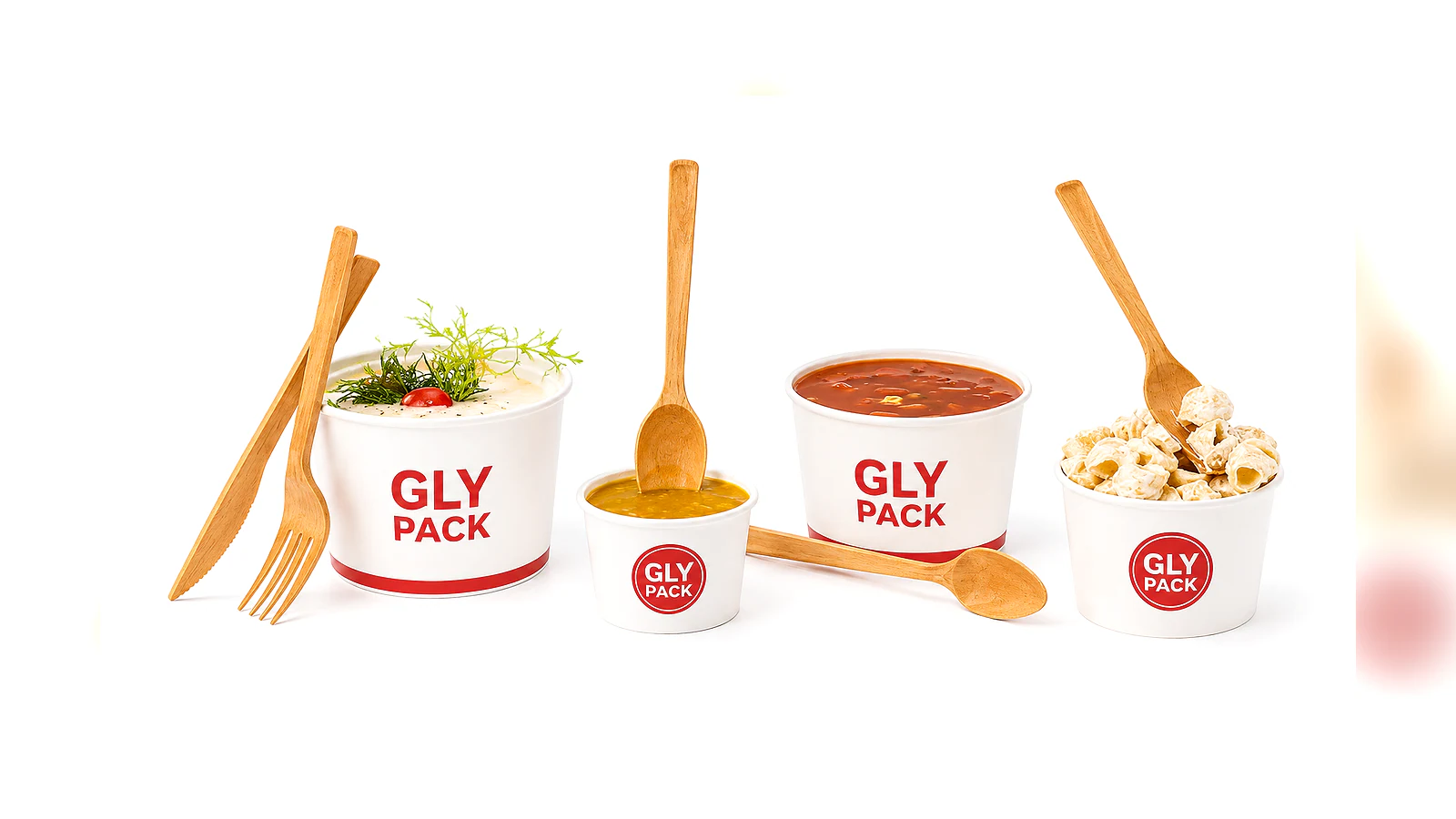
Food Container Capacity Guide
Pint vs Quart Food Containers: Buyer’s Capacity & Lid Guide
A pint or quart label tells you a reference volume, not the safe fill line, physical dimensions or lid fit. Buyers need one specification that connects measurement system, real food portion, container geometry, closure performance and case packing.
Pint vs quart: the basic conversion
| Reference unit | U.S. liquid measure | Approximate metric volume | Purchasing note |
|---|---|---|---|
| 1 pint | 16 U.S. fluid ounces / 2 U.S. cups | 473 mL | Often sold as a 16 oz container, but usable fill can be lower. |
| 1 quart | 32 U.S. fluid ounces / 4 U.S. cups / 2 pints | 946 mL | Often sold as a 32 oz container; dimensions and lid family vary. |
| Imperial pint | 20 Imperial fluid ounces | 568 mL | Not equal to a U.S. pint; name the system on cross-border orders. |
| Imperial quart | 40 Imperial fluid ounces | 1,137 mL | Not equal to a U.S. quart; do not translate the name without volume. |
Use the conversion only as the starting point. On an international RFQ, write the target in millilitres and fluid ounces and identify U.S. or Imperial measure. Do not use “oz” alone when it could mean fluid ounces or ounces by weight. A container intended for 16 fluid ounces of soup is not a promise that it will hold 16 ounces by weight of every food.
Nominal capacity, brimful capacity and usable fill
Nominal capacity is the name used to identify the item. Brimful capacity is the volume held near the physical rim under a defined method. Usable fill is the portion the operation can serve while leaving enough headspace for closing, topping, expansion, carrying and customer opening. These values can differ materially.
Ask the supplier how capacity was measured: water temperature, fill point, sample count and tolerance. Then create your own service fill line using the real recipe. Hot broth, thick stew, noodles, salad and ice cream move differently and require different headspace. The usable portion should remain below the lid’s internal features and any vent area.
Why two containers with the same ounce label can look different
Capacity comes from top diameter, bottom diameter, wall taper and height. One 16 oz bowl can be wide and shallow while another is narrow and tall. The shapes may hold a similar reference volume but behave differently in filling, stacking, spoon access, garnish presentation, heat retention and carton packing.
Request a dimensional drawing and an assembled sample. Record top outside diameter at the rim, bottom diameter, finished height and any nesting or stacking feature. For lidded products, add the assembled outside height and widest lid diameter because those figures determine bag, shelf, carton and delivery-rack compatibility.
Wide, shallow geometry
Can improve presentation and utensil access, but exposes more surface area and may require more shelf or bag width. Test slosh behavior and lid panel clearance.
Narrow, tall geometry
Can reduce footprint and change carton efficiency, but may be harder to eat from and can create a higher centre of gravity. Test tipping and customer handling.
Choose 16 oz or 32 oz by menu role
A pint-style 16 oz container often fits a substantial individual soup, side, sauce, dessert or compact meal component. A quart-style 32 oz container can suit a larger serving, family side, bulk sauce, meal-prep portion or sharing format. These are planning examples, not universal serving rules.
Map every menu item to its target portion and service route. A light leafy salad may reach the rim before it reaches the target weight. Dense curry may reach target weight with considerable space remaining. Long noodles can bridge the rim and interfere with closure. Select size only after portioning the real food with the tools staff actually use.
Separate volume from food weight
Fluid ounces measure volume; ounces on a kitchen scale measure mass. Equal volumes of water, cream soup, chopped vegetables and dry toppings do not have equal weight. If the menu is sold by weight, set the recipe portion with a calibrated scale and then confirm that this mass fits below the safe fill line. If it is sold by volume, standardize the ladle, scoop or fill mark.
Document both when operations need them: for example, target serving weight plus maximum fill height. This prevents a supplier or buyer from assuming that a 16 oz label guarantees room for 16 oz by weight. It also helps costing teams connect food cost, packaging size and advertised portion.
Lid compatibility is a separate specification
A “16 oz lid” or “32 oz lid” is not enough information. Fit depends on rim diameter, curl profile, side-seam area, roundness, lid engagement geometry and material behavior. Some product families share one lid across several capacities; others use a dedicated lid for each size. Never infer compatibility from volume alone.
Create a pairing matrix with container supplier, container item code, nominal volume, measured rim, compatible lid item code, lid material, carton quantity and approved use temperature. The principle is the same as the cup-and-lid compatibility process: approve a named base with a named lid and control substitutions.
Empty fit check before hot-food testing
- Inspect container rims for ovality, dents, side-seam irregularity and nested damage.
- Place the lid using the normal staff motion; do not force a mismatched part.
- Confirm full engagement around the circumference and inspect for visible gaps.
- Compare application force across multiple units and more than one bundle.
- Lift and handle the empty set only as a preliminary screen, not final approval.
- Record the exact item and batch labels used in the trial.
An empty test catches obvious mismatch, but heat, food weight, steam and handling can change the assembled system. Continue with the real product before approval.
Hot soup and liquid-food test
Use trained staff and suitable protective handling for hot products. Fill the container to the proposed service line at the real packing temperature, wipe the rim as normal, apply the lid and start the timer. Test the intended hold period and delivery route inside the actual bag with the expected number of containers.
Inspect lid lift, rim leakage, vent behavior, bottom-panel softness, side-seam seepage, wall deformation, external temperature and customer opening. Tilt and movement tests must reflect normal delivery handling and should not encourage unsafe inversion of hot liquid. Compare multiple samples and stop any test that presents a burn risk.
Headspace, toppings and venting
Headspace absorbs movement and protects the lid from solid ingredients, but excessive empty space can affect presentation and portion perception. Establish a fill mark that accounts for the longest noodles, tallest garnish, foam, expansion and the lid’s internal depth. Photograph the approved fill with the lid both on and off.
A vented lid can release steam, while an unvented design can behave differently during hot hold. Vent performance depends on hole size, location, food viscosity and route. Compare options with matched portions and times. Do not drill or alter production lids unless the resulting design is formally assessed and controlled.
Cold foods, salads and chilled desserts
Cold applications shift the test priorities toward condensation, sauce separation, visual presentation, stacking and refrigeration. A clear lid may improve product visibility but must still fit the exact rim and resist cracking or release at the intended temperature. Paper lids can support a different material and branding strategy. Test whichever assembled combination will be ordered.
For salads, check leaf compression, garnish room and fork access. For chilled desserts, inspect condensation and surface contact. For sauces and meal prep, test the actual viscosity and refrigerator hold time. Freezer or microwave suitability must come from the exact material and supplier evidence; do not infer it from the container’s paper appearance or ounce size.
Material and food-contact evidence
Confirm base paper or plastic type, barrier or coating, adhesive and printing system relevant to the intended food-contact path. Ask for the declarations, test reports or compliance documents required by the destination market and application. The food-grade paper buyer checklist explains how to connect documents to the exact construction rather than accepting a generic certificate.
If a supplier offers PE, PP, PLA, aqueous or other barrier options, compare them using the real temperature, grease, acidity and hold time. Material labels alone do not prove end-use performance, recyclability or compostability in the buyer’s market. Keep claims limited to evidence that matches the finished item and destination.
Standardize sizes and lid families
Standardization can reduce picking errors and simplify reordering. Build a menu-to-container matrix covering portion, container SKU, lid SKU, color, fill line and carton count. Where technically practical, selecting several container capacities within one verified lid family can reduce lid inventory—but it should not override food fit or delivery performance.
Use distinct shelf labels and carton codes for pint and quart items. If both bases look similar when nested, add a clear size marker to the artwork or storage location. Train staff to identify item code or dimension rather than guessing from height. A wrong lid applied during a rush can look seated while remaining vulnerable to release.
Carton ratios, storage and replenishment
Container and lid cases may contain different quantities. Compare pieces per sleeve, sleeves per case, case dimensions, gross weight and pallet configuration. Set ordering ratios from actual use and expected loss. If one carton contains 500 bases and another 1,000 lids, a one-for-one carton reorder creates imbalance even though every meal needs one of each.
Calculate weeks of cover by SKU and consider storage volume, not only piece count. Quart containers are physically larger and can consume more space. Protect rims and lids from crushing, dust and heat during storage. Use first-in-first-out controls when materials or printing revisions change, and avoid mixing unapproved old and new lid families.
Printing, fill marks and operational identification
Artwork can help staff and buyers use the right size. Place size codes, product names or color bands where they remain visible in nested stacks and after lid application. Keep essential information away from the bottom curve, rim, side seam and areas distorted by taper. Approve artwork on the final structural die-line.
A fill mark can support portion consistency, but confirm whether it is visible and accurate after forming. Do not present a decorative line as a legally verified volume measure unless the appropriate controls support that claim. For branded programs, connect size identification with the custom food packaging artwork process.
MOQ and landed-cost comparison
Request MOQ for each exact base-and-lid combination, material, print version and size. Separate tooling, plates, samples and recurring production cost. If pint and quart artwork share a design system, ask whether production planning can coordinate the family without obscuring the individual MOQ and delivery date for each SKU.
Compare landed cost per usable meal. Include bases, lids, freight, duties where applicable, storage, damage, mismatched inventory and service waste. A lower-cost quart container is not economical if the menu portion leaves excessive headspace or if its carton footprint creates storage pressure. A smaller pint is not economical if overfilling causes leakage or complaints.
Validate a menu-size change before rollout
When replacing a pint with a quart—or changing suppliers within the same nominal size—run a controlled service trial before changing the whole menu. Compare recipe portion, food cost, selling price, container and lid cost, staff filling time, bag fit, delivery condition and customer perception. A larger container can make an unchanged portion appear smaller, while a smaller opening or deeper profile can change garnish visibility and utensil access.
Update recipe cards, scoops, fill marks, point-of-sale descriptions and inventory codes together. Use a defined transition date so old bases and new lids are not mixed accidentally. After launch, review overfill, leakage, returned meals and actual container consumption for several operating cycles. The best capacity is the one that stays consistent across purchasing, kitchen workflow, delivery and customer expectations—not merely the one with the most attractive unit price.
RFQ checklist for pint and quart containers
- Measurement system and target nominal volume in fl oz and mL.
- Real food, target portion weight or volume, usable fill height and headspace.
- Top diameter, bottom diameter, container height and assembled height.
- Exact base and lid item codes, rim family, lid material and vent requirement.
- Food temperature, grease or acidity, hold time and delivery route.
- Required food-contact and market documentation.
- Printing, size identification, artwork revision and finish.
- Quantity by size, forecast, MOQ, sleeve and carton counts, destination and schedule.
- Structural, printed and production-sample approval stages.
Send these details through the packaging RFQ form. Buyers can compare paper soup bowls with lids, paper salad bowls, paper takeaway containers and the complete cups and bowls range.
Receiving inspection and change control
At receiving, sample bases and lids from multiple cartons. Verify item codes, carton counts, rim dimensions, nesting damage, print, odor, contamination and closure behavior. Run a short food-fill check against the approved sample when a new production lot or material revision arrives. Record deviations before inventory reaches the service line.
Require written approval for changes to dimensions, paper, polymer, barrier, rim tooling, lid tooling, printing, packing or production location. A product can keep the same 16 oz or 32 oz name while its functional fit changes. Preserve the signed specification, golden sample, inspection photos, lot codes and corrective-action history for repeat-order comparison.
Frequently asked questions
How many ounces are in a pint and a quart?
In U.S. liquid measure, one pint is 16 U.S. fluid ounces and one quart is 32 U.S. fluid ounces. A purchasing specification should also state millilitres and the measurement system because Imperial units differ.
Does a 16 oz container always provide 16 oz of usable food capacity?
No. Nominal or brimful capacity may differ from the safe service fill after allowing for headspace, toppings, liquid movement and lid clearance. Test and mark the usable fill line for the actual menu item.
Can 16 oz and 32 oz soup containers use the same lid?
Sometimes, but not automatically. Lid sharing depends on the exact rim diameter, curl profile and supplier series. Approve each named container SKU with a named lid SKU and test the assembled set.
Is a quart container simply twice as tall as a pint container?
Not necessarily. A supplier can change top diameter, bottom diameter, taper and height to create capacity. Compare the complete dimensional drawing and carton data, not only the ounce label.
Which size is better for hot soup?
The correct choice depends on the intended serving volume, headspace, carry weight, temperature, lid security and delivery time. Run the same hot-fill and transport test on the candidate sizes before approval.
Should food be portioned by fluid ounces or by weight?
Fluid ounces describe volume, while ounces by weight describe mass. Dense stew, light salad and water do not weigh the same at equal volume. Control the menu portion with the measurement appropriate to the recipe and verify its fit in the container.
What should a pint or quart container RFQ include?
State the measurement system, usable fill target, top and bottom diameter, height, container and lid SKUs, food temperature, hold time, material, documentation, print, quantity by size, packing, destination and sample requirements.
Build a pint-and-quart specification that staff can use
Share the food, usable portion, container dimensions, lid preference, service temperature, printing, quantity by size and destination. GLY PACKAGING can help narrow suitable structures and prepare a sample-testing route.