Double Wall Coffee Cups: When They Are Worth It
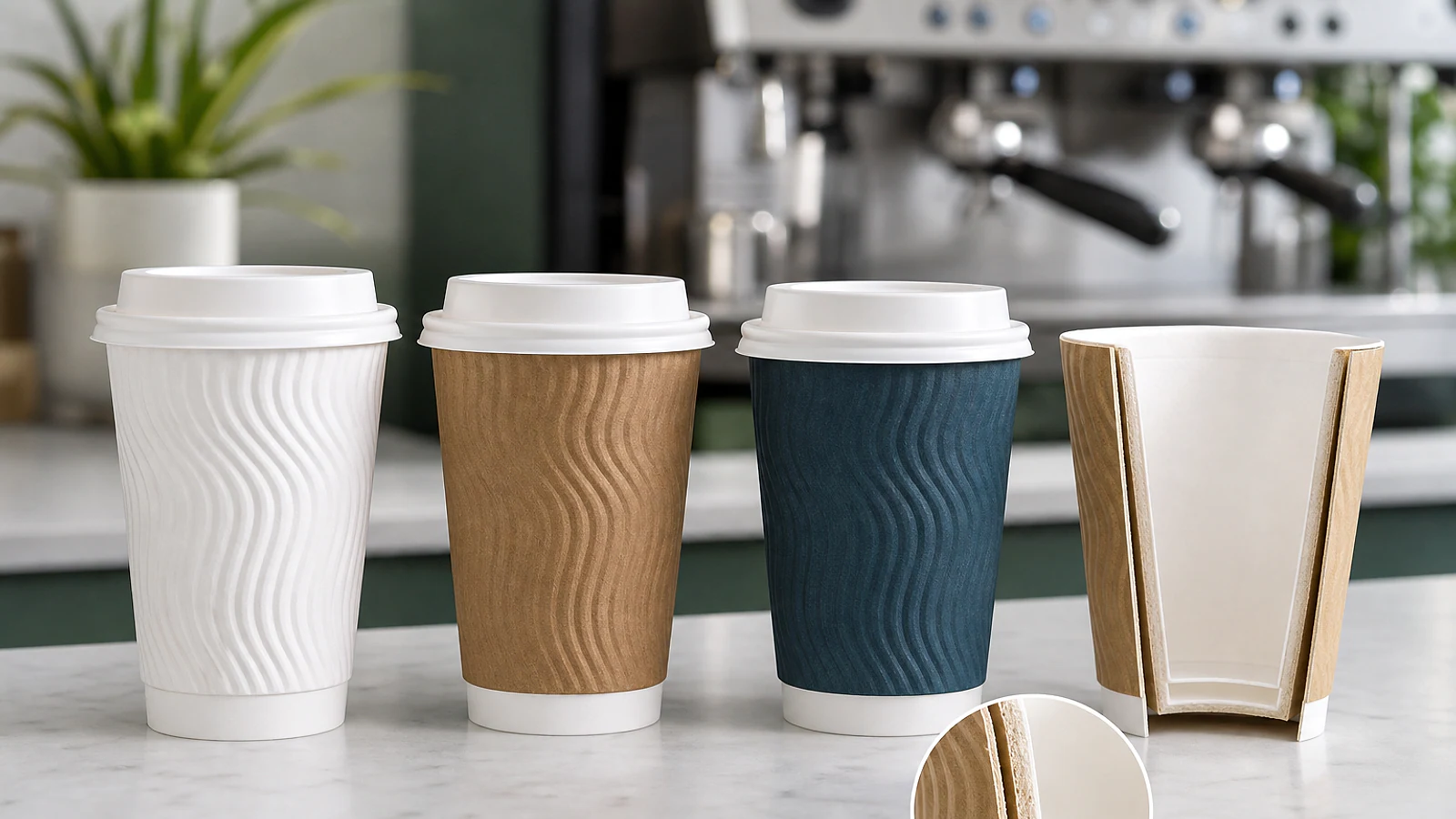
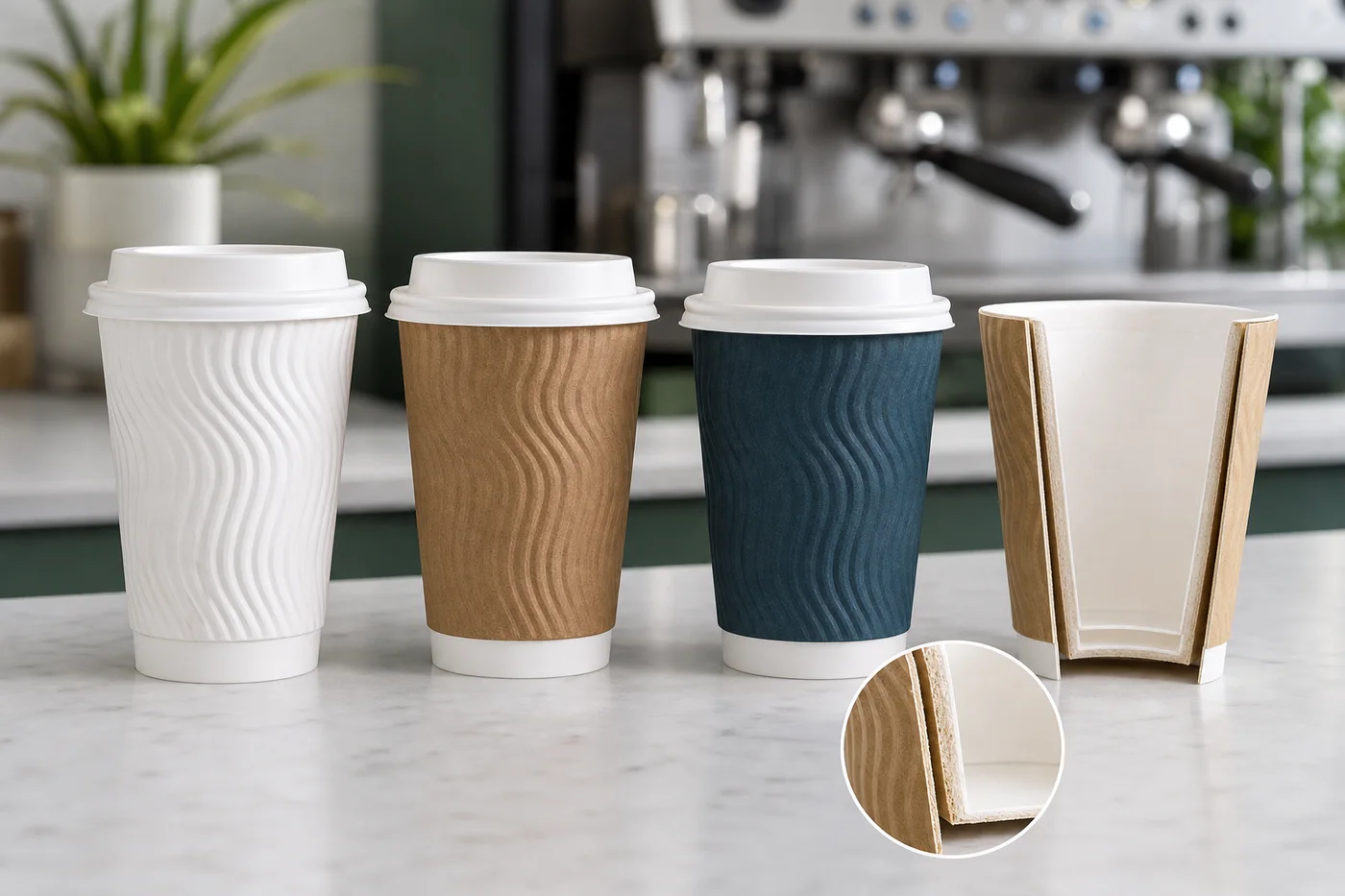
Double wall cups can improve comfort, but they are not always necessary for every drink or budget. For coffee shops and beverage packaging buyers, the right double wall paper cups can improve food presentation, reduce complaints and make the brand easier to remember.
Why double wall coffee cups matters
Use drink temperature, holding time and brand positioning to decide between single, double and ripple wall cups. Packaging is part of the customer experience: it affects temperature, texture, handling, storage, delivery and the first visual impression. A good buying decision should therefore connect the menu, the service channel and the brand message instead of focusing only on unit price.
For SEO and conversion, this topic also matters because buyers search with practical questions. They want to know what size to choose, which material is suitable, whether lids fit, how printing works and what information is needed for a quote. A useful article should answer those questions clearly and then guide the reader toward a sample request.
What buyers should specify before sampling
| Buying detail | What to define | Why it matters |
|---|---|---|
| Food or drink application | Temperature, oil level, moisture, toppings and expected holding time. | The same container can perform differently with hot, cold, dry or oily products. |
| Size and capacity | Finished food dimensions, practical fill level and required headspace. | Correct sizing protects appearance and avoids wasted material. |
| Service route | Dine-out, takeaway, delivery, catering, drive-thru or retail shelf. | Each route creates different stacking, carrying and labeling needs. |
| Branding | Logo placement, color control, artwork files and required symbols. | Packaging should stay recognizable after folding, stacking or bagging. |
Material, structure and branding considerations
The best specification usually comes from a sample test. Paper weight, coating, lid series, die-cut structure, ventilation, print coverage and carton packing all influence the final result. If the product is delivered hot, steam control and grease resistance deserve extra attention. If it is a beverage, rim consistency and lid engagement are just as important as cup appearance.
For custom printing, keep artwork practical. Large flat panels are useful for logos and product names, while folds, locks and corners should not carry essential text. If the package is used by staff during busy service, consider simple visual cues such as color bands, product labels or size marks.
How to test double wall paper cups in real operations
A laboratory data sheet is useful, but it cannot reproduce every detail of a busy kitchen, cafe or delivery route. Build a small approval test around the way the package will actually be filled, closed, stacked and handed to the customer. Use the normal recipe, normal serving temperature and normal staff procedure. Then hold the packed product for the shortest and longest expected service times. This makes the result relevant to coffee shops and beverage packaging buyers instead of judging an empty sample on a desk.
During the test, inspect more than leakage. Look at the shape of the package, the condition of the food, the security of every lock or lid, the temperature felt by the customer and the way printed panels appear after handling. For delivery orders, put the sample inside the intended bag with sauces, cutlery and other menu items. Walk or drive the typical route, including the vibration and stacking that happen in real service.
Record the result with photos and short notes. A simple pass-or-revise decision for structure, size, barrier performance, closure and print position gives the supplier clearer feedback than saying that a sample is merely good or bad. It also creates an internal reference that purchasing, operations and marketing teams can use when approving repeat orders.
Cost, MOQ and logistics: compare the total project
Unit price is only one part of a custom packaging decision. Board grade, coating, print colors, finishing, tooling, order quantity, packing method and delivery destination all affect the quotation. A lower-priced container can create higher operating cost if staff need more time to assemble it, if too many units are damaged in storage, or if an unsuitable size increases carton volume.
Ask suppliers to state what is included in the price and whether the quotation is based on an existing structure or a new die line. Confirm the minimum order quantity for the exact printed specification rather than assuming that a stock-product MOQ applies to custom work. If several sizes share the same artwork system, discuss whether production can be planned as a family while keeping each size clearly identified.
| Commercial item | Question to ask | Decision impact |
|---|---|---|
| MOQ | Is the minimum based on each size, each artwork or the combined order? | This affects inventory exposure and launch planning. |
| Tooling and samples | Are structural samples, printed proofs and cutting dies charged separately? | Clear approval costs prevent surprises before production. |
| Carton packing | How many pieces fit in each export carton, and what are the carton dimensions? | Packing data helps estimate freight and warehouse space. |
| Lead time | When does production time begin: deposit, artwork approval or sample approval? | A shared start point makes delivery planning more reliable. |
For imported packaging, compare landed cost and supply continuity rather than only the factory price. Include freight, duties where applicable, receiving, storage and the buffer stock needed for your reorder cycle. A well-defined specification makes repeat quotations easier to compare and reduces the risk of receiving a product that looks similar but performs differently.
Common buying mistakes to avoid
One common mistake is choosing from a photograph without checking finished dimensions. Product images rarely show internal volume, taper, closure depth or usable print area accurately. Another is approving artwork before the structure is final. Even a small die-line change can move important text onto a fold or place a logo where it disappears after assembly.
Buyers also lose time when the request for quotation contains only a product name and target price. A useful RFQ should include the application, dimensions or capacity, material preference, print requirement, estimated quantity, destination and expected schedule. When a current package exists, photos and a physical reference can remove ambiguity quickly.
- Do not treat the listed capacity as the practical serving capacity without a fill test.
- Do not approve a lid, insert or accessory separately from the container it must fit.
- Do not make environmental claims until material documentation and local disposal options are checked.
- Do not skip final artwork proofing for barcodes, legal marks, colors and panel orientation.
A simple approval checklist
Before confirming mass production, GLY recommends checking the packaging with the real product, the real staff workflow and the longest realistic transport time.
- test hand temperature
- compare sleeve cost
- confirm print finish
- match cup wall to drink menu
Frequently asked questions
What information is needed for an accurate quotation?
Send the intended food or beverage, required size or capacity, material preference, number of print colors, quantity by size, destination country and target delivery date. Editable artwork, a reference photo and details of the current package are helpful when available.
Should I approve a plain sample or a printed sample?
A plain structural sample is efficient for checking dimensions, closure and basic performance. A printed sample or production proof is useful when brand color, small text, panel alignment or finishing is important. Many projects use both stages so structural questions are settled before more expensive print approval.
How should I compare two packaging samples?
Fill both samples with the same product at the same temperature, close them using the same staff procedure and inspect them after the same holding or delivery time. Compare food condition, package shape, leakage, closure security, customer handling and waste. Consistent test conditions make the comparison meaningful.
Can GLY PACKAGING support custom sizes and branding?
Yes. Available options depend on the structure, material, quantity and application. Share your requirements first so the team can recommend a practical route for structure selection, sampling, artwork approval and mass production.
How GLY PACKAGING can help
GLY PACKAGING supports custom food and beverage packaging from structure selection to printing and export packing. Share your product dimensions, quantity target, artwork direction and destination market, and our team can help narrow the options before sampling.
Related GLY pages: custom printed paper coffee cups, coffee shop packaging, contact us.
Related buyer options: For multi-cup pickup or delivery orders, also evaluate custom coffee-to-go boxes around cup count, handle strength and loaded stability.
Next guidePaper Cups vs Plastic Cups for Coffee Shops
More from this packaging series
Need double wall paper cups for your brand?
Send your product size, quantity and artwork idea. GLY PACKAGING can prepare a practical packaging recommendation for your menu or product line.